Native Plants: Integrating Local Flora into Your Landscape Design May 26, 2026
Why Choose Native Plants?
Native plants are those that have existed naturally in a region for many years. These plants are acclimated to the local environment, making them more resilient to weather conditions and natural pests. Unlike exotic species, native flora require less water, fertilizer, and pesticides, which translates to lower maintenance costs and less environmental impact. This environmental efficiency not only reduces your garden's ecological footprint but also conserves local biodiversity, supporting local wildlife like bees, butterflies, and birds.
Designing with Native Plants
When it comes to landscape design, native plants offer versatility and beauty. Integrate local wildflowers for color and texture while providing essential habitats for insects and birdlife. Mix grasses such as bluestem or switchgrass, which offer striking movement and rustle with the wind, creating a dynamic and interactive garden experience. Shrubs like the red-twig dogwood add structure, while trees like the sugar maple offer vibrant seasonal color and canopy.
Creating a visually appealing design with native plants involves understanding the conditions of your landscape. Evaluate sunlight exposure, soil type, and water drainage. Knowing these elements will guide your plant selection process. For instance, native ferns thrive in shaded areas, while sun-loving plants like purple coneflower can brighten a section that receives ample sunlight.
Implementation and Maintenance
Integrating native plants into a landscape is straightforward, yet it demands a thoughtful approach. Start small, perhaps by dedicating a section of your garden to native flora and gradually expand as you become more comfortable with their care requirements. During the initial planting stages, ensure proper spacing to allow each plant to grow to its full potential.
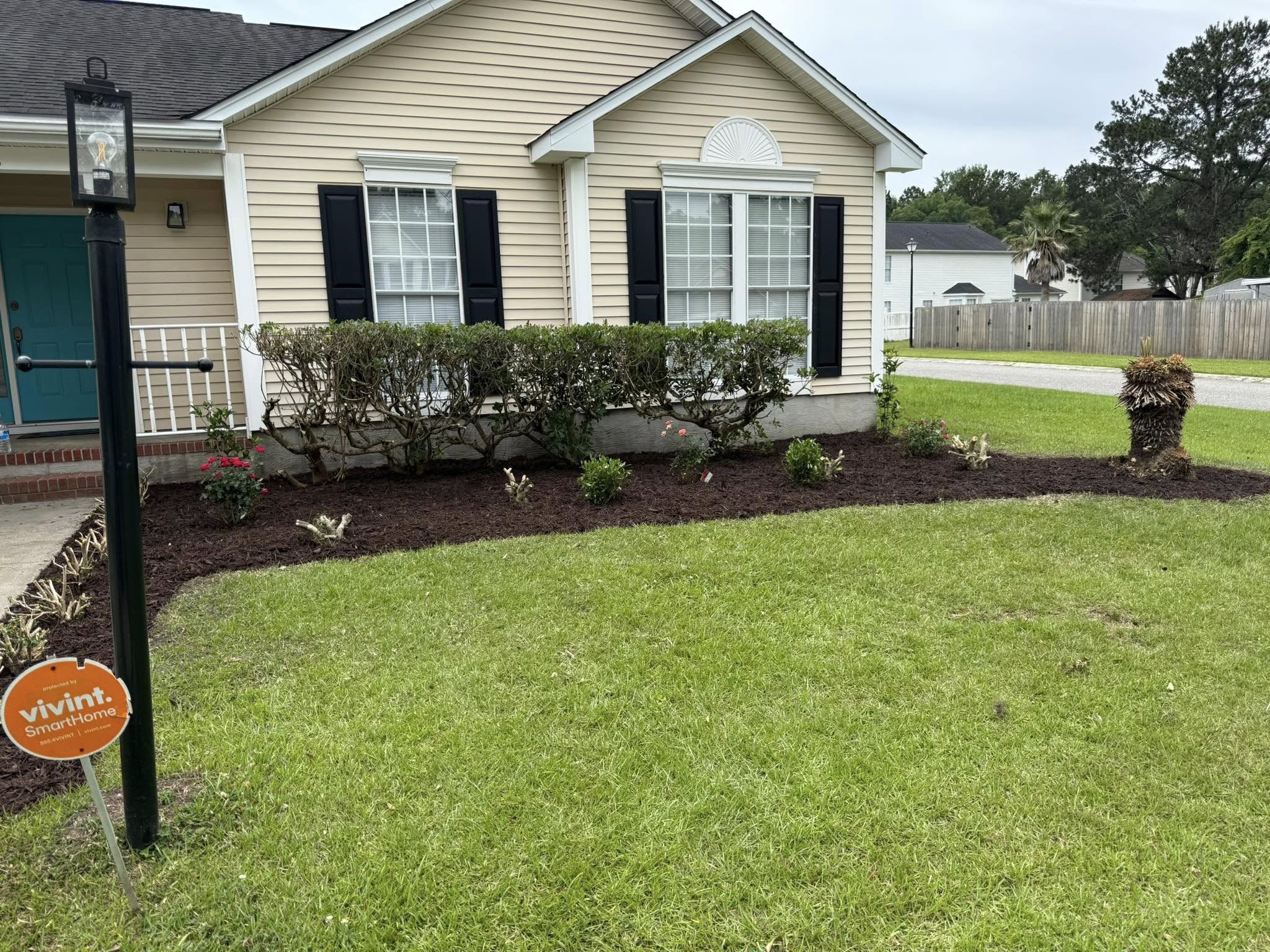
One of the main advantages of native plants is their low maintenance. After establishment, these plants generally require less water and care than non-natives. It's important to mulch around plants to retain moisture and suppress weeds, further reducing the need for irrigation.
Partnering with Experts
While the concept of native plants might seem simple, designing and implementing a cohesive plan can be complex. Engaging with professionals like the team at Wide Open Greenscapes can elevate your landscape with expert guidance tailored to your specific needs and environment. We offer an extensive selection of native plants and personalize service plans to ensure your garden not only sustains itself but thrives.
Conclusion: Embrace the Local Beauty
By choosing to integrate native plants into your landscape design, you embrace a sustainable approach that benefits both your wallet and the environment. Whether you're starting fresh or looking to enhance an existing garden, native plants offer a natural beauty that aligns seamlessly with the local ecosystem. At Wide Open Greenscapes, we're committed to helping you create a landscape that is not only beautiful but also environmentally responsible. Connect with us today to start your journey towards a vibrant and sustainable outdoor space.
/filters:no_upscale()/filters:format(webp)/media/0d1ede72-780d-44b2-9f6c-dd4abc31a8be.jpeg)