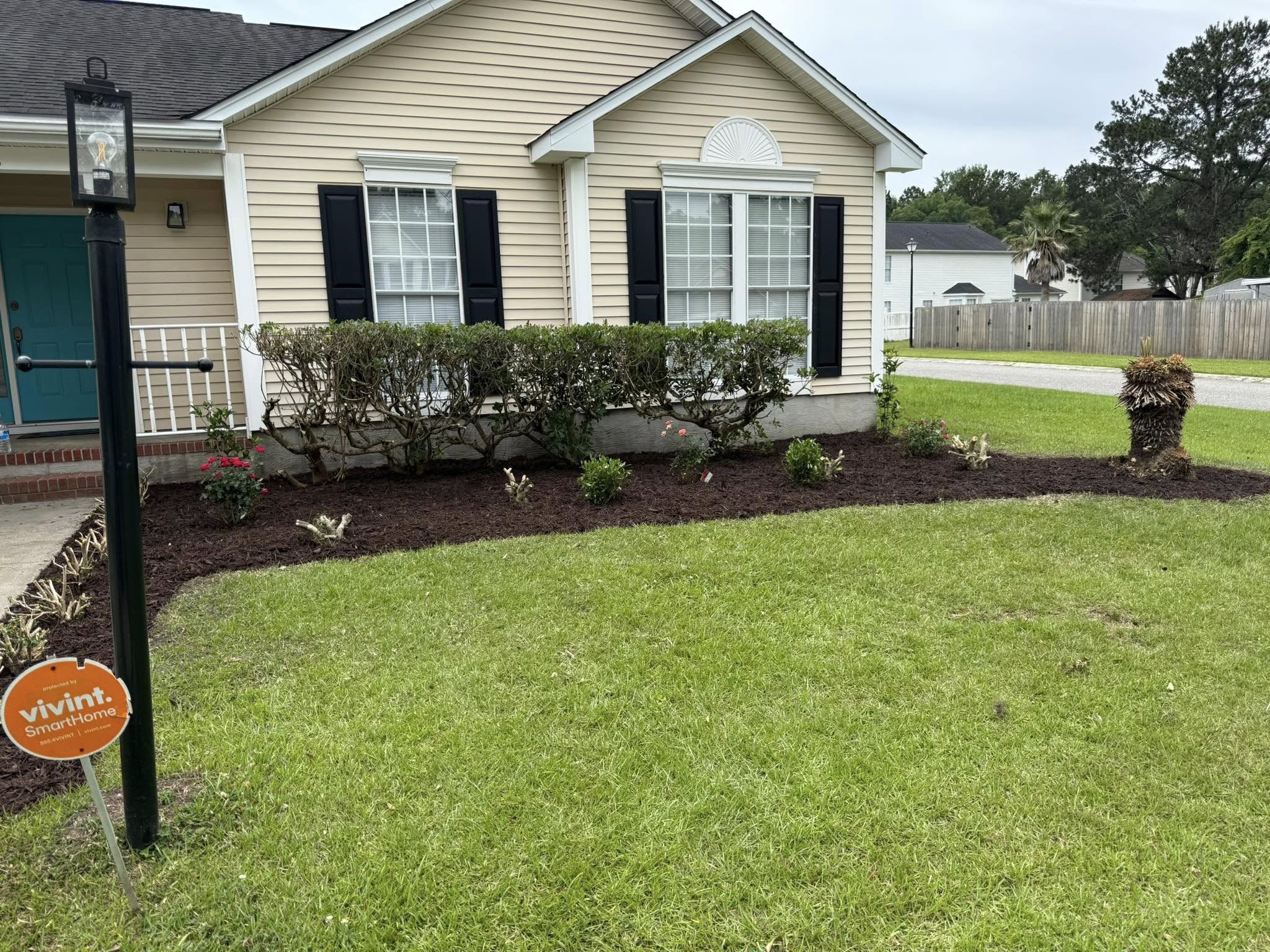
Sustainable Landscaping: Eco-Friendly Solutions for Modern Gardens Apr 24, 2026
Sustainable landscaping focuses on using native plants that require less water, minimizing the use of harmful chemicals, and promoting biodiversity. By choosing the right plants for your region, you can greatly reduce water consumption. Native plants have adapted to local climates and soils, which means they need less maintenance and are more resilient to pests and diseases. Consult with Wide Open Greenscapes to determine which plants are best suited for your garden, considering the seasonal changes and local wildlife.
Another key element of eco-friendly landscaping is efficient water management. Traditional gardens often consume large amounts of water, but with a few smart adjustments, you can significantly reduce your usage. Rainwater harvesting, for example, involves collecting rainwater from rooftops and storing it for future use. This not only conserves water but also reduces runoff, which can carry pollutants into waterways. Additionally, installing drip irrigation systems delivers water directly to the plant roots, further reducing waste and promoting healthy plant growth.
Incorporating hardscaping features such as permeable pavers or gravel paths can also support sustainable practices. These materials allow rainwater to percolate through to the soil, replenishing groundwater supplies instead of contributing to stormwater runoff. Wide Open Greenscapes offers a wide range of eco-friendly hardscaping options that complement your sustainable garden design while enhancing its functionality and visual appeal.
Composting is another simple yet effective practice to integrate into your sustainable landscaping efforts. By recycling organic waste from your kitchen and garden, you create rich, natural fertilizer that nourishes your plants and enriches the soil. This reduces the need for chemical fertilizers, which can be harmful to the environment. Furthermore, composting helps reduce landfill waste, making it a win-win for you and the planet.
To maintain the ecological integrity of your garden, consider employing integrated pest management (IPM) techniques. This approach involves using a combination of biological, cultural, and mechanical controls to manage pests and diseases naturally. Rather than relying solely on chemical pesticides, IPM promotes healthy ecosystems by encouraging beneficial insects and fostering a balanced food web within your garden.
Finally, designing your garden with climate change in mind is central to sustainable landscaping. Consider reducing lawn areas, which often require significant resources to maintain, and replacing them with native grasses or groundcovers. These alternatives provide habitats for wildlife and reduce your garden's carbon footprint.
In conclusion, sustainable landscaping is not only a beautiful way to enhance your outdoor space but also a vital step in preserving the environment. Wide Open Greenscapes is committed to helping you achieve a garden that is both stunning and sustainable. By implementing eco-friendly solutions, you contribute to a healthier planet and ensure that your garden thrives for years to come. Embrace the possibilities of sustainable landscaping today, and transform your garden into an eco-friendly haven.
/filters:no_upscale()/filters:format(webp)/media/0d1ede72-780d-44b2-9f6c-dd4abc31a8be.jpeg)